
Deck Staining Timing Tips for Reno, NV, Weather
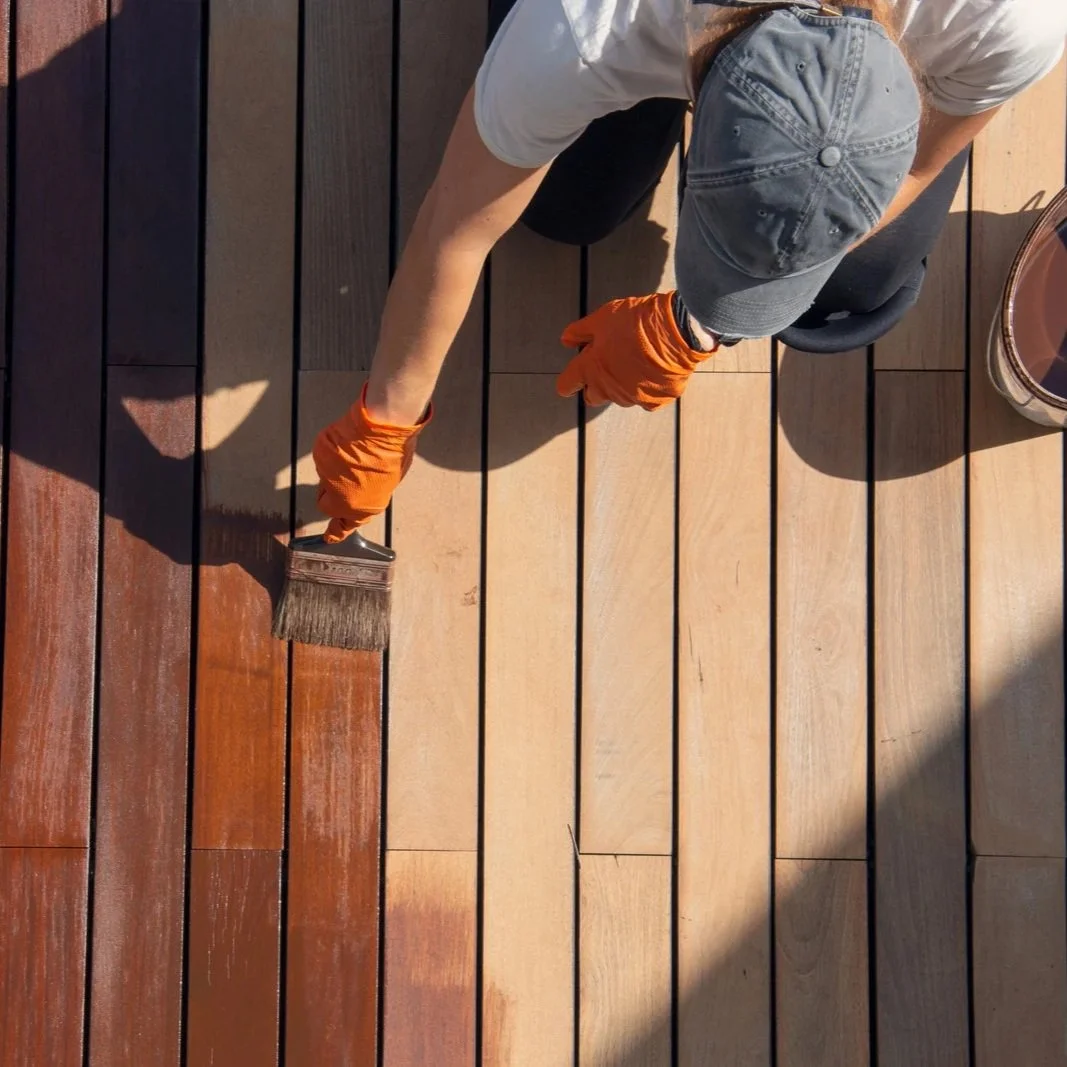
When timing aligns with stable conditions, stain penetrates properly, cures evenly, and protects wood against cracking, fading, and moisture damage.
Deck staining in Reno, NV, depends far more on timing than many homeowners realize, especially given the region’s high desert climate and rapid weather shifts. Intense sun exposure, low humidity, strong winds, and sharp temperature swings all influence how wood behaves and how stain absorbs and cures. Professional services treat deck staining as a weather-driven process rather than a simple seasonal task. When timing aligns with stable conditions, stain penetrates properly, cures evenly, and protects wood against cracking, fading, and moisture damage. When timing gets rushed or misjudged, even high-quality products struggle, leading to uneven color, premature wear, and shortened lifespan.
How Reno Weather Changes Wood Behavior
Wood responds constantly to its environment, expanding and contracting as moisture levels and temperatures change. In Reno, dry air pulls moisture out of deck boards quickly during summer, while spring snowmelt, irrigation, and cooler nights introduce fluctuating moisture levels that linger longer than expected. Deck staining works best when the wood is in a balanced moisture state, allowing the stain to soak in rather than sitting on the surface. Professional services evaluate both weather patterns and wood conditions together, knowing that the calendar alone rarely tells the full story. Understanding how Reno’s climate affects wood movement helps avoid staining during periods when absorption remains unpredictable.
Spring Timing Requires Patience And Testing
Spring often feels like the natural starting point for deck staining projects, yet it presents some of the trickiest conditions in Reno. Snowmelt, irrigation startup, and wide temperature swings create moisture fluctuations that keep deck boards from drying consistently. Deck staining performed too early in spring often results in blotchy absorption or a stain that fails to penetrate deeply. Professional services rely on moisture testing rather than assumptions, waiting until wood stabilizes before proceeding. Late spring typically offers better results once temperatures settle and excess moisture has dissipated, making patience an important part of spring scheduling.
Early Summer Offers Opportunity With Careful Control
Early summer brings warmer temperatures that help wood dry more evenly, but it also introduces challenges from direct sun and low humidity. Deck staining during intense heat causes the stain to dry too quickly on the surface, limiting penetration and increasing the risk of lap marks. Professional services manage early summer projects by working during cooler parts of the day, often in the morning or late afternoon, and by paying close attention to shaded areas. In Reno, early summer can work well when crews adapt timing and application methods to prevent flash drying and uneven finishes.
Mid-Summer Can Create Hidden Risks
Mid-summer presents some of the most demanding conditions for deck staining in Reno. High temperatures, relentless sun, and very dry air accelerate evaporation, making it difficult for the stain to absorb properly. While staining remains possible, professional services approach this period with caution, often narrowing application windows and working in controlled sections. Wind becomes a major factor during mid-summer, speeding drying and introducing dust that settles into wet stains. Without careful planning, mid-summer staining often produces uneven color and reduced durability that only becomes obvious months later.
Fall Often Delivers The Most Reliable Results
Fall typically offers the most balanced deck staining conditions in Reno, combining moderate temperatures, reduced sun intensity, and more stable humidity. These conditions allow the stain to penetrate evenly and cure without extreme stress. Professional services often view early fall as an ideal window for deck staining, especially for homeowners seeking long-term protection. Timing still matters, as early cold snaps or unexpected storms can interrupt curing if projects extend too late into the season. When scheduled thoughtfully, fall staining prepares decks to withstand the following summer with stronger protection in place.
Cold Weather Limits Staining Reliability
As temperatures drop, deck staining becomes increasingly unreliable. Cold conditions slow absorption and disrupt curing, while cold nights raise the risk of moisture becoming trapped within the wood. Professional services avoid staining when nighttime temperatures fall outside manufacturer guidelines, knowing that appearance may look acceptable initially, but performance will suffer. In Reno, late fall and winter are typically unsuitable for deck staining, so it's wiser to wait for favorable conditions rather than risk compromised results.
Weather Forecasts Matter More Than Calendar Dates
Successful deck staining depends on actual weather conditions rather than traditional seasonal timelines. Professional services monitor short-term and extended forecasts closely, watching for temperature stability, wind patterns, and precipitation risks. Reno weather can change quickly, even during periods that usually feel predictable. Flexible scheduling allows professionals to adjust plans when conditions shift, protecting finish quality rather than forcing projects into unsuitable windows. Homeowners who plan ahead benefit from results shaped by conditions rather than convenience.
Deck Orientation And Sun Exposure Shape Timing
Deck orientation significantly affects staining timing, yet it often gets overlooked. South and west-facing decks receive stronger sun exposure, drying faster but placing greater stress on finishes during application. North-facing decks hold moisture longer and may require an extended drying time before staining can begin. Professional services account for orientation when scheduling, adjusting timing, and methods to match how each deck interacts with Reno’s sun. Treating every deck the same often leads to uneven absorption and inconsistent appearance.
Wind Plays A Bigger Role Than Expected
Reno’s frequent winds influence deck staining more than many homeowners anticipate. Wind accelerates surface drying and carries dust that can settle into wet stain, compromising appearance and performance. Professional services factor wind conditions into scheduling decisions, favoring calmer days whenever possible. Managing wind exposure supports smoother finishes and deeper penetration, especially during dry seasons when dust remains airborne.
Moisture Testing Guides Professional Decisions
Visual dryness does not always reflect internal moisture levels within deck boards. Professional services use moisture meters to verify readiness before staining, avoiding guesswork that leads to failure. In Reno, temperature swings can mask moisture retention, making testing especially valuable. Deck staining proceeds only when moisture levels fall within acceptable ranges, supporting proper absorption and long-term protection.
New Decks Require Different Timing
Newly installed decks demand patience before staining, especially when pressure-treated wood is used. These boards often contain elevated moisture levels that must dissipate naturally before stain application. Staining too soon traps moisture, leading to peeling or uneven wear. Professional services ensure new decks weather appropriately, even in Reno’s dry climate, where drying occurs faster than in humid regions but still takes time.
Older Decks Bring Their Own Timing Factors
Weathered decks absorb stain differently depending on surface condition and exposure history. Professional services evaluate whether cleaning, sanding, or repairs influence staining schedules. Deck staining follows preparation completion rather than calendar expectations. Reno decks exposed to prolonged sun and wind often require additional prep time before they reach ideal staining conditions.
Preparation Timing Influences Final Results
Deck preparation introduces moisture and exposes fresh wood, which affects staining timelines. Cleaning requires adequate drying time, while sanding opens the wood grain, allowing it to absorb stain quickly. Professional services coordinate prep and staining carefully, ensuring each step is completed before moving forward. Rushing from prep to stain often produces shallow penetration and inconsistent color.
Temperature And Humidity Balance Matters
Stain manufacturers specify temperature and humidity ranges for proper application and curing. Professional services follow these guidelines, recognizing that deck staining outside recommended conditions increases the risk of failure. Reno’s wide daily temperature swings make monitoring both daytime highs and nighttime lows essential. Stable conditions support predictable curing and consistent performance.
Shade Often Creates Better Staining Conditions
Working in shaded conditions or during shaded hours frequently produces better deck staining results. Reduced sun exposure slows evaporation, allowing the stain to penetrate more deeply. Professional services often schedule staining during morning or late afternoon hours when shade naturally protects the surface. In Reno, using shade strategically improves finish quality.
Rain Timing Before And After Application
Rain affects deck staining both before and after application. Wet wood prevents proper absorption, while rain during curing disrupts finish formation. Professional services build buffer time around staining windows, avoiding projects when rain threatens curing periods. Reno’s sudden storms make conservative scheduling especially important for long-lasting results.
Rushing Leads To Shortened Lifespan
Homeowners sometimes rush deck staining to prepare for gatherings or seasonal use, yet compressed timelines often lead to premature failure. Professional services caution against forcing schedules that conflict with conditions. Reno decks exposed to harsh weather reveal rushed work quickly through fading, peeling, or uneven wear. Patience protects investment.
Seasonal Use Patterns Influence Scheduling
Deck usage patterns also influence ideal timing. Staining during low-use periods allows proper curing without foot traffic interference. Professional services help homeowners plan around seasonal habits and events. In Reno, spring and fall often align well with lighter deck use.
Why Professional Timing Saves Money
Redoing deck staining costs more than waiting for the right window. Professional services prioritize timing because it reduces callbacks, maintenance, and premature replacement. Reno homeowners benefit from results that last longer when scheduling aligns with weather realities rather than convenience.
Local Experience Shapes Better Decisions
Local knowledge allows professionals to anticipate Reno’s sudden weather changes and seasonal patterns. Temperature drops, wind shifts, and sun intensity require experience to manage effectively. Professional services familiar with Reno adjust schedules quickly when conditions change, preventing avoidable failures.
Deck Staining As Preventive Maintenance
Deck staining is most effective as preventive maintenance rather than reactive repair. Proper timing preserves wood health and appearance before damage takes hold. Reno homeowners who maintain decks proactively avoid costly repairs and replacements.
Why Timing Makes Or Breaks Results
Deck staining success depends on working with Reno’s weather rather than fighting it. Timing influences absorption, curing, appearance, and protection. Professional services prioritize timing because it ultimately determines performance and longevity.
Timing Questions About Deck Staining In Reno, NV
What is the best time of year for deck staining in Reno, NV?
Early fall and late spring often provide the most stable conditions, depending on current weather patterns. Moderate temperatures and lower wind levels help stains cure evenly and reduce the risk of premature drying or blotchy results on exposed deck surfaces.
Can deck staining be done during the summer in Reno?
Yes, but professional services are scheduled carefully to avoid peak heat, intense sun, and high winds. Early morning or late afternoon application helps prevent rapid evaporation and ensures the stain penetrates the wood properly instead of drying on the surface.
How long should a deck dry before staining?
Drying time depends on recent weather, deck orientation, wood type, and preparation methods, and professionals verify these factors through moisture testing. Ensuring the deck is fully dry allows the stain to absorb correctly and improves overall durability and color consistency.
Is it safe to stain a deck before rain?
Staining should not occur if rain is expected during curing, as moisture disrupts stain performance. Even light rainfall can cause uneven drying, wash away pigment, or create surface defects that shorten the lifespan of the finish.
Why hire professionals for deck staining timing decisions?
Professionals understand Reno weather patterns and wood behavior, helping deliver longer-lasting, better-looking results. Their experience allows them to adjust schedules based on temperature, humidity, and sun exposure, which protects the deck and maximizes the effectiveness of each staining project.
True Coat Painting has several years of experience providing power washing, deck staining, and commercial painting solutions. A family-owned company serving Reno, NV, we choose every product considering the local climate. Call today to get a free estimate.
