
How Long Between Coats of Paint? The Rule That Prevents Peeling
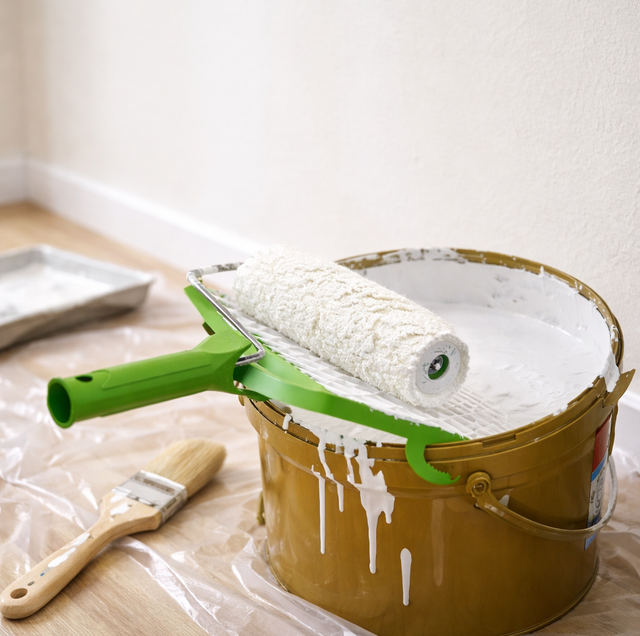
Quick Answer: Most water-based interior paints are dry to the touch in about an hour and ready to recoat in roughly two to four hours. Oil-based paints often need around 24 hours between coats. Always follow the recoat time on the can, since it is the tested number for that exact product.
Rushing the second coat is one of the most common ways a good paint job goes wrong. The wall looks dry, the roller feels clean, and it seems safe to keep going. Then the fresh coat drags, wrinkles, or lifts the layer underneath, and the finish is ruined before it ever had a chance to harden. The wait between coats is not padding in the instructions. It is the window the paint needs to set up enough to accept the next layer.
Why Recoat Timing Changes Everything
Paint dries from the outside in. The surface skins over first while the layer underneath is still soft and full of water or solvent that has to escape into the air. Add a second coat too early, and you seal that moisture in with nowhere to go. Trapped underneath, it works against the finish instead of leaving it, and the result shows up as peeling, bubbling, or a film that never fully hardens.
The correct window does the opposite. It lets the first coat release enough of its solvent that the second layer bonds to a stable surface rather than a wet one. That bond is what gives you an even sheen, uniform color, and a film that holds up to years of touching, cleaning, and sunlight. The difference between a coating that lasts and one that fails early often comes down to a few hours of patience, not the quality of the paint.
Dry to the Touch, Ready to Recoat, and Fully Cured Are Three Different Things
These three terms get used as if they mean the same thing, and treating them that way is where a lot of DIY jobs go sideways.
Dry to the touch means the surface no longer feels wet or tacky when you brush a fingertip across it. This happens first, sometimes within 30 to 60 minutes. It tells you the paint will not smear. It does not tell you the coat is ready for another layer.
Recoat-ready means the coat has released enough solvent that a second layer can go over it without disturbing it. It always comes later than dry to the touch, and it is the number the can gives you as the recoat time.
Fully cured means the film has reached its final hardness and durability. Curing continues long after the surface feels dry, often for days and sometimes several weeks depending on the product. A wall can feel bone dry and still be soft underneath, which is why the finish is easy to mar in the first stretch after painting.
Confusing dry to the touch with recoat-ready is the mistake behind most rushed coats. Feeling dry is the earliest stage, not the green light.
The General Recoat Windows
The numbers below are typical starting points. The can always wins if it says something different.
Water-based (latex and acrylic) interior paint is usually dry to the touch in about an hour and ready to recoat in roughly two to four hours. This is the fastest common category and the reason most interior repaints move quickly.
Oil-based (alkyd) paint takes far longer. It commonly needs around 24 hours between coats because the solvent leaves slowly. Trying to treat oil-based paint on a water-based schedule is a reliable way to wrinkle it.
Primers vary the most. Some are built to recoat in as little as 30 minutes to an hour, while others want several hours before topcoat. A bonding or stain-blocking primer may have its own rules, so the label is the only number worth trusting here.
Think of these windows the way you would proofing time in a recipe. Skip ahead and the whole thing collapses, but the exact minutes depend on the conditions in the room, not just the clock.
What Changes Dry Time
Two rooms and the same can of paint can behave very differently. A handful of factors move the recoat window in both directions.
Temperature: Warmth speeds drying and cold slows it. In a cold room, a coat that should take three hours can still be too soft well past that. On the other side, excessive heat pulls the surface tight too fast while the layer beneath stays wet, a problem called flashing that can crack or wrinkle the film.
Humidity: Water-based paint dries by releasing water into the air, so damp air gives that water nowhere to go and stretches the wait considerably. Dry air lets it leave quickly, which usually helps, though very dry conditions can skin the surface faster than the underlayer is ready for.
Airflow and ventilation: Moving air carries evaporating solvent away and shortens dry time, which is one more reason to keep a room ventilated while you work. Still, dead air lengthens it.
Coat thickness: A heavy coat holds more solvent and dries slower and less evenly than two thin ones. Thick application is a frequent cause of a surface that feels dry over a center that is still soft.
Paint type and sheen: Glossier finishes and heavier-bodied paints generally take longer to set than flat, thin ones.
Surface and porosity: Bare, porous surfaces like fresh drywall or raw wood pull moisture out of the paint and can speed surface drying, while slick or previously coated surfaces hold it on top longer.
Heat and dry air working in your favor and against you at the same time is the theme here. The same conditions that speed a coat along can flash it if you push them too far, so the goal is a steady, moderate room rather than the fastest possible dry.
Why the Label's Recoat Time Wins
Every can lists a recoat time because the manufacturer tested that exact formula and found the window where a second coat bonds cleanly. It accounts for the resin, the solvent, and how that specific paint behaves. A general rule of thumb is a fallback for when the label is missing, not a replacement for it. When the can and a chart disagree, the can is right, because it was written for the paint in your hand.
What Happens If You Recoat Too Soon: Going over a coat that is still soft causes several visible failures. The brush or roller can drag and tear the first coat, pulling it off the wall in patches. The finish can wrinkle as the trapped layer moves under the new one. Solvent gets sealed in and slows the whole job's cure. Adhesion suffers, so the paint is more likely to peel later. And the sheen often comes out uneven, with dull and shiny areas where the layers set at different rates.
Why Waiting Too Long Can Matter Too: For most latex paints, extra time between coats is harmless. But some products, especially certain oil-based and specialty coatings, have a recoat window with an upper limit. Wait far past it and the first coat cures so hard that the next one cannot grip it, which can force a light sanding to restore a surface the new coat can bond to. This is another detail the label spells out when it applies.
How to Test Whether a Coat Is Ready
When you are unsure, a quick check beats guessing. Press a fingertip firmly into an inconspicuous spot, like a corner or an area that will be covered by furniture. If paint transfers to your finger or the surface feels tacky or cool and damp, it is not ready. A cool feel on the surface often means solvent is still evaporating underneath, so give it more time even if it is not visibly wet.
When you are unsure a coat is ready, press a fingertip firmly into an inconspicuous spot like a corner. If paint transfers or the surface feels tacky or cool and damp, it is not ready. If it feels dry, firm, and at room temperature with nothing coming off, it can take the next coat.
Let the Finish Cure Before You Put the Room Back to Work
The last stage is the one people skip most, because the room looks finished. Even after the final coat is dry to the touch and safe to live around, the film is still hardening. During that stretch, it scratches, marks, and dents more easily than it will once fully cured.
Give the paint time before you scrub it, since cleaning a soft film can burnish or lift it. Rehang art and hardware gently, and when you slide furniture back, lift it into place rather than dragging it so the legs do not score the fresh finish. On trim and doors, let the paint firm up before you close a door hard against its stop, since soft paint can stick to itself and pull away when it separates. The can's cure guidance tells you how long to baby the surface.
A few safety habits go with the drying process. Keep the room ventilated while you paint and between coats, because paint gives off fumes as it dries, and that matters most with oil-based products and in small enclosed rooms. Never speed things along with a heat gun or a space heater aimed at the wall, since forcing the surface to dry faster than the layer underneath can crack the film.
Handle solvent-soaked rags with real care, since oily rags can heat up and catch fire on their own when bunched up. Lay them flat outdoors to dry fully before you throw them away. Keep the room ventilated while you paint and between coats, since paint gives off fumes as it dries, especially with oil-based products in small enclosed rooms.
Frequently Asked Questions
A fan on low, moving air across the room rather than blasting the wall, is the safest way to help, because it carries evaporating solvent away without shocking the surface. A hair dryer or heat gun held close is not, since concentrated heat dries the skin while the underlayer stays wet and can crack or wrinkle the coat. Gentle, even airflow at room temperature beats direct heat every time.
Somewhat. Paint-and-primer products often lay down thicker than standard wall paint to do both jobs, and a heavier film holds solvent longer, so the recoat time can run toward the top of the range rather than the bottom. The can accounts for this in its stated number, which is why a self-priming product may list a longer recoat wait than a thin flat paint from the same brand.
Look at the wall in raking light, with a lamp or window light hitting it at a low angle. If the previous color or any patchiness still shows through, or the sheen looks blotchy, a second coat will even it out. Deep colors, drastic color changes, and covering over a much darker base almost always need two coats regardless of how the first one looks.
For standard latex, no. One extra day between coats will not hurt adhesion. The caution applies mainly to some oil-based and specialty coatings that specify a maximum recoat window, where waiting too long past the stated limit means the next coat needs a light scuff-sand to grip. Check the label for any upper time limit before you leave a coat for days.
Uneven sheen between coats usually traces to the first coat not being fully recoat-ready, or to the two coats drying under different conditions, such as a temperature or humidity swing between sessions. Applying the second coat over a properly set first coat and keeping room conditions steady between coats helps keep the sheen uniform across the whole surface.
Most water-based paints list a minimum application temperature around 50 degrees Fahrenheit, and a few newer low-temp formulas go down to about 35, so check the can. The number that trips people up is the SURFACE temperature, not the air: a wall can read ten degrees colder than the room on a shaded exterior or an uninsulated interior wall, and paint applied below its rated floor will not coalesce, leaving a chalky, weak film that peels within a season. A cheap infrared thermometer aimed at the wall settles it. Also mind the dew point: recoating a surface that is within about five degrees of it invites condensation between coats and blisters later.
Book a free estimate before your next repaint — get a durable finish applied on the right schedule, coat after coat. True Coat Painting serves Reno, Sparks, and Carson City. Call (775) 227-0618.
