
What Should a Commercial Painting Quote Include
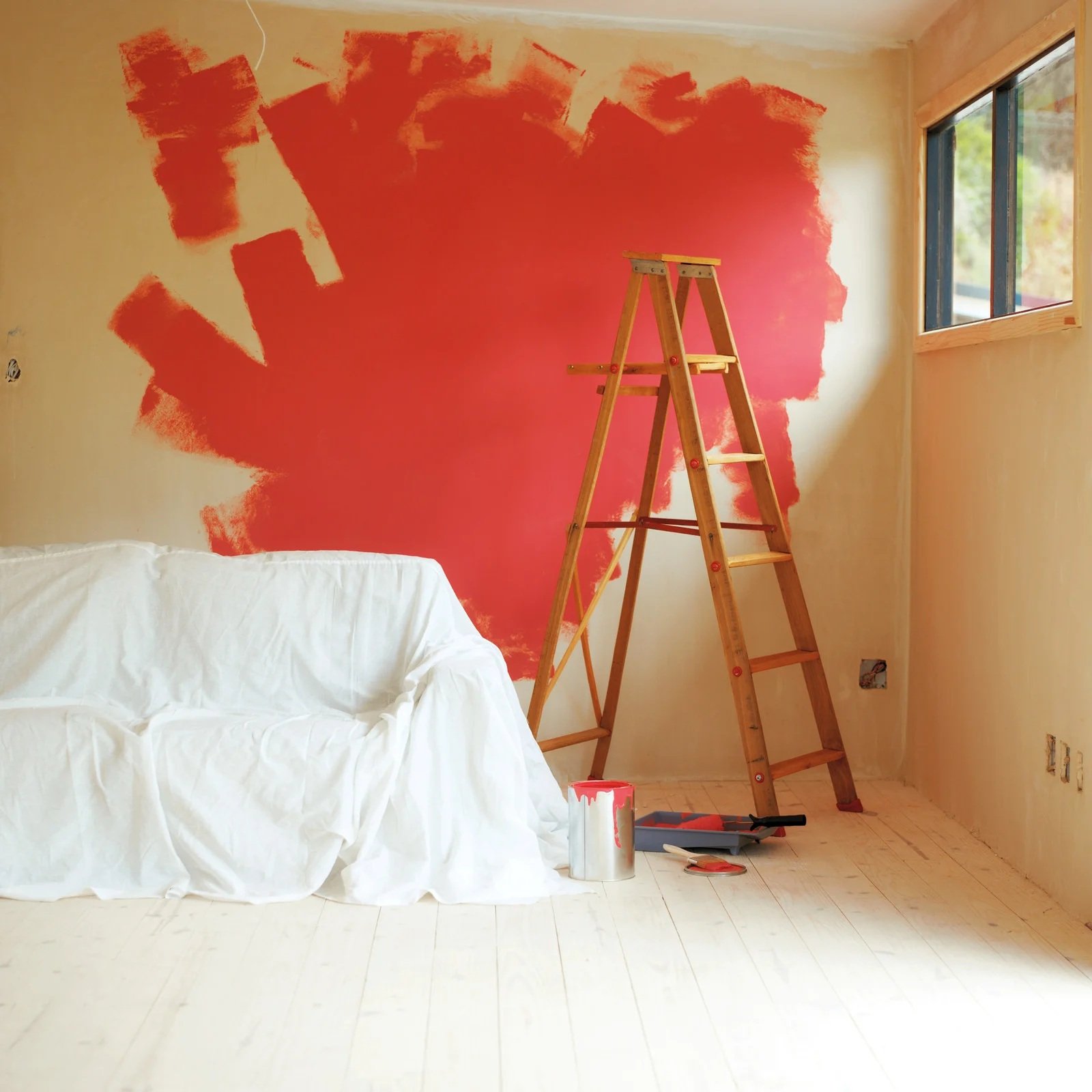
Three weeks into a commercial repaint, the painter calls about a change order. The original quote said "paint office interior — $14,200." The new line is for $6,300 in surface prep nobody mentioned in the bid. The crew is already on site. The walls are open.
The mistake wasn't accepting the bid. It was accepting a quote that didn't say what the work was.
A commercial painting quote is a contract draft. It tells you what the painter will do, what they'll use, when they'll show up, and what happens if something fails. A complete quote answers those questions before anyone signs. An incomplete one saves the disagreement for after the deposit clears.
The eleven items every commercial quote should name
A complete bid for a commercial interior or exterior repaint should account for the items below — each one on its own line, with its own price where applicable. When something is missing, it usually shows up later as a change order or a dispute about what was included.
| Item | What it should say |
|---|---|
| Scope of work | Each room, wall, ceiling, trim, door, and frame named individually with square footage or count |
| Surface preparation | Power wash, sanding, patching, priming, caulking, scuff sanding — itemized by area |
| Repairs in vs. out | Drywall patching threshold, wood replacement, stucco crack repair — what triggers a change order |
| Paint product | Brand, product line, sheen, and color count specified for each surface (not “premium paint”) |
| Number of coats | Primer and topcoats stated separately for each substrate |
| Crew size and schedule | Number of painters, daily hours, total project days, and start date |
| Access and after-hours premiums | Daytime, after hours, or weekends — and the cost difference if scope shifts |
| Insurance and license | Carrier, policy limits, license number, and certificate of insurance available on request |
| Warranty | What's covered, what's not, and the duration in years |
| Payment schedule | Deposit, progress payments tied to milestones, retainage, and final payment |
| Change order language | Hourly rate, material markup, and approval process for work outside scope |
A bid that fits on a single page rarely covers all eleven. A quote that runs three to eight pages with line items usually does. Length alone isn't quality — but a one-line bid for a $20,000 job means the conversation about scope is going to happen later, when both sides have less room to move.
Scope of work — why "paint the office" isn't scope
The scope section is where most disputes start. A painter walks the space for thirty minutes, takes some measurements, and writes back: "Repaint office interior — walls and trim — $14,200." Both sides assume they agree on what that means. Both sides are wrong.
Scope, written correctly, lists each space and each surface separately. Reception walls, reception ceiling, reception trim, reception doors, and frames. Corridor 1 walls, corridor 1 ceiling, corridor 1 baseboards. Conference room A walls, ceiling, accent wall. The reader of the quote should be able to walk the space with the document and point to every surface mentioned and every surface left out.
Three things commonly disappear from a vague scope and reappear as change orders. Ceilings — the painter assumed they weren't included; the owner assumed they were. Door frames and trim — listed as "doors" but not "frames," or the other way around. Closets and storage rooms — small spaces nobody walked into during the bid that take twice as long per square foot because of cutting around shelves.
A good quote names rooms by their floor-plan label and lists every surface in each room.
Surface prep is the line that moves the price
Two quotes for the same building can differ by 40 percent based on what each painter included for prep. The work is invisible inside the final wall, which is why the line item gets cut from low bids and surprises the owner when the job starts.
Prep on a commercial interior includes patching nail holes and minor drywall damage, sanding glossy surfaces so the new paint sticks, scuff-sanding repainted areas, caulking gaps at trim and corners, masking and protecting floors and furnishings, and priming any patched areas or bare drywall. On an exterior, add power washing, scraping loose paint, replacing or filling rotted wood, sealing cracks in stucco, and treating any mildew or efflorescence.
The quote should tell you which of those tasks is included, at what scope, and what counts as excluded. A line that says "minor patching included; major drywall repair quoted as change order" works as long as "major" is defined — a hole larger than four inches across, or more than five patches per wall.
Paint product, sheen, and color count by surface
"Premium paint" tells you nothing. The quote should name the brand, the product line, and the sheen for each surface, because the product choice changes the price more than most owners realize.
A commercial-grade acrylic in eggshell from a workhorse line like Sherwin-Williams ProMar 200 runs roughly $35 a gallon at contractor pricing. The same brand's higher-end Cashmere or SuperPaint runs $55 to $70. A scrubbable matte for high-traffic corridors costs more again. Multiply that gap across forty to sixty gallons on a 10,000-square-foot office, and the paint alone shifts the bid by $1,500 to $2,000.
A complete quote names the line — for example, "walls: ProMar 200 Zero VOC, eggshell; trim: Pro Industrial Waterborne Acrylic, semi-gloss; ceilings: ProMar 200, flat." Color count matters too. A single-color repaint and a six-color rebrand are not the same labor. Each color change adds setup time, cut-in time, and a fresh gallon to open.
If the quote says "premium grade paint" without naming the line, ask which one. A painter who can't name the product before sending the bid hasn't priced it.
Coats, crew size, and access hours
Number of coats sounds technical and matters more than almost any other line. A primer plus two topcoats is the standard for a color change or a fresh surface. A primer plus one topcoat is the floor for any repaint. Some painters quote a single coat on a same-color refresh and assume nobody will notice — until the second wall reads different from the first because the roller dragged across an unprimed patch.
Crew size and schedule belong in the bid as plain numbers. Three painters for four days. Six painters for two weekends of overnight shifts. The owner reading the bid should know how many people will be on site and how long the job will take. A bid that says "we'll finish in a few weeks" without a crew size or daily hour count usually means the painter hasn't worked out the schedule yet.
Access hours change pricing. A daytime repaint with the office in full operation runs ten to twenty percent more than the same job after hours, because the crew has to work around staff and meetings. A nights-and-weekends-only job runs twenty to forty percent more, because of overtime wage rates and the productivity drop from stopping and starting every shift. The bid should state which schedule it's priced for, and what it would cost to switch.
Insurance, license, and warranty — the credentials block
Three documents protect the building owner from the painter's mistakes. The quote should reference all three.
General liability insurance with at least $1 million in coverage per occurrence is standard for commercial paint work. The certificate names the painter's company as the insured and is available on request before signing. Workers' compensation insurance covers any crew member injured on site — without it, the building owner can be on the hook for a worker's medical bills if something happens at height or on a ladder. A state contractor's license number should appear on the bid, with the issuing state and the license class.
Warranty language is the third document. A standard commercial paint warranty covers peeling, blistering, and finish failure for two to five years on interior work, and one to three years on exterior. It excludes mechanical damage (chairs, carts, doorknobs), moisture from sources other than the wall (roof leaks, plumbing), and any work done outside the original scope. The warranty should be written into the quote, not promised verbally.
Change orders, payment terms, and what happens when scope shifts
Every commercial paint job sees some scope creep. The honest question is how the bid handles it. A complete quote includes change order language — the hourly rate for added labor, the markup on materials added mid-project, and the approval process before any extra work begins. Most quotes name a written-approval-required clause: no work outside the original scope happens without a signed change order.
Payment terms should match scope size. Small jobs under $5,000 run on deposit plus completion. Mid-size jobs of $5,000 to $50,000 run on three-payment schedules — deposit at signing, progress payment at fifty percent complete, balance at completion. Larger projects use weekly or biweekly draws against percentage complete, with a five to ten percent retainage held until the punch list is signed off.
A quote that asks for fifty percent or more up front before any work begins is unusual and worth questioning. So is one that wants payment in cash. And so is one that names a personal account rather than a business account.
Red flags when comparing bids
The quote that comes in twenty percent below the others rarely matches the others' scope. Three patterns usually explain the gap.
The low bid skipped prep. Patching, sanding, caulking, and priming all got rolled into "included" without being itemized, which means they'll get done lightly or not at all. The job comes back as a callback in eighteen months, or as a change order in week two.
The low bid quoted single-coat instead of two-coat. Same paint, half the labor, finish that fails years sooner. The wall looks fine the day the job ends; uneven sheen and color variation show up under different lighting in the first month.
The low bid quoted floor area instead of paintable area. The painter and the building owner are talking about different surface counts. The painter brings half the material to the job, runs out on day two, and submits a change order to buy more.
A bid sitting forty percent above the others isn't always padded — sometimes it's the only one that includes prep, ceilings, and a real warranty. Compare the line items, not the totals.
FAQs
Yes. A commercial quote should name the brand, product line, and sheen for each surface — for example, "Sherwin-Williams ProMar 200 in eggshell on walls." Generic terms like "premium paint" or "commercial-grade paint" don't tell you what you're buying. Two paints sold as "premium" can differ by $30 a gallon and a decade of finish life. The product line is what you're paying for.
Three is the working standard. Two leaves no comparison; four or more usually adds delay without new information. Walk the same scope with each painter and ask each to bid the same eleven line items. The bids sort themselves quickly — one will skip prep, one will price reasonably, one will be padded.
Yes, but size matters. A 10 to 25 percent deposit at signing is standard. Some painters request more for material-heavy jobs like specialty coatings or color-matched accent walls. A deposit above 50 percent is unusual outside very large projects with custom material orders, and should be tied to a clear progress milestone.
In commercial painting, the three terms overlap but carry different commitments. An estimate is a rough number that may shift with measurement; it's a conversation starter, not a contract draft. A quote is a fixed price for a defined scope, usually good for thirty days. A bid is a competitive submission to a defined RFP and binds the painter to the scope and price they submitted. Know which one you're holding before you sign anything.
Yes, and it should be itemized. Cleanup includes daily debris removal, masking and drop-cloth removal, sweeping the work area, and hauling away empty paint cans and used rollers. The quote should state whether the painter hauls all waste or whether any goes into the building's dumpster. Disposal of hazardous waste — lead-paint debris, solvent containers — should carry its own line.
Most commercial quotes are valid for 30 days from the date of issue. Paint prices, fuel costs, and labor availability all shift with markets and seasons, so a quote held past 60 days will often require a refresh. If a project is delayed beyond the painter's control, ask whether the price holds on the original terms or rebids at current rates.
A complete quote is the cheaper quote
The lowest number on the desk is rarely the lowest number paid. Bids without prep itemized add prep as a change order. Bids without a coat count specified deliver one coat and call it done. Bids without a brand named substitute a cheaper paint and pocket the difference. By the time the job is finished, the bid that looked twenty percent below the others has caught up to them — sometimes passed them.
The quote that names every line up front is the quote that holds its number through the punch list. Reading bids carefully on the front end is a few hours of work that prevents weeks of arguments on the back end. Walk every quote against the eleven items above and the gaps show up on their own.
