
When Power Washing Makes Sense Before Painting in Reno, NV
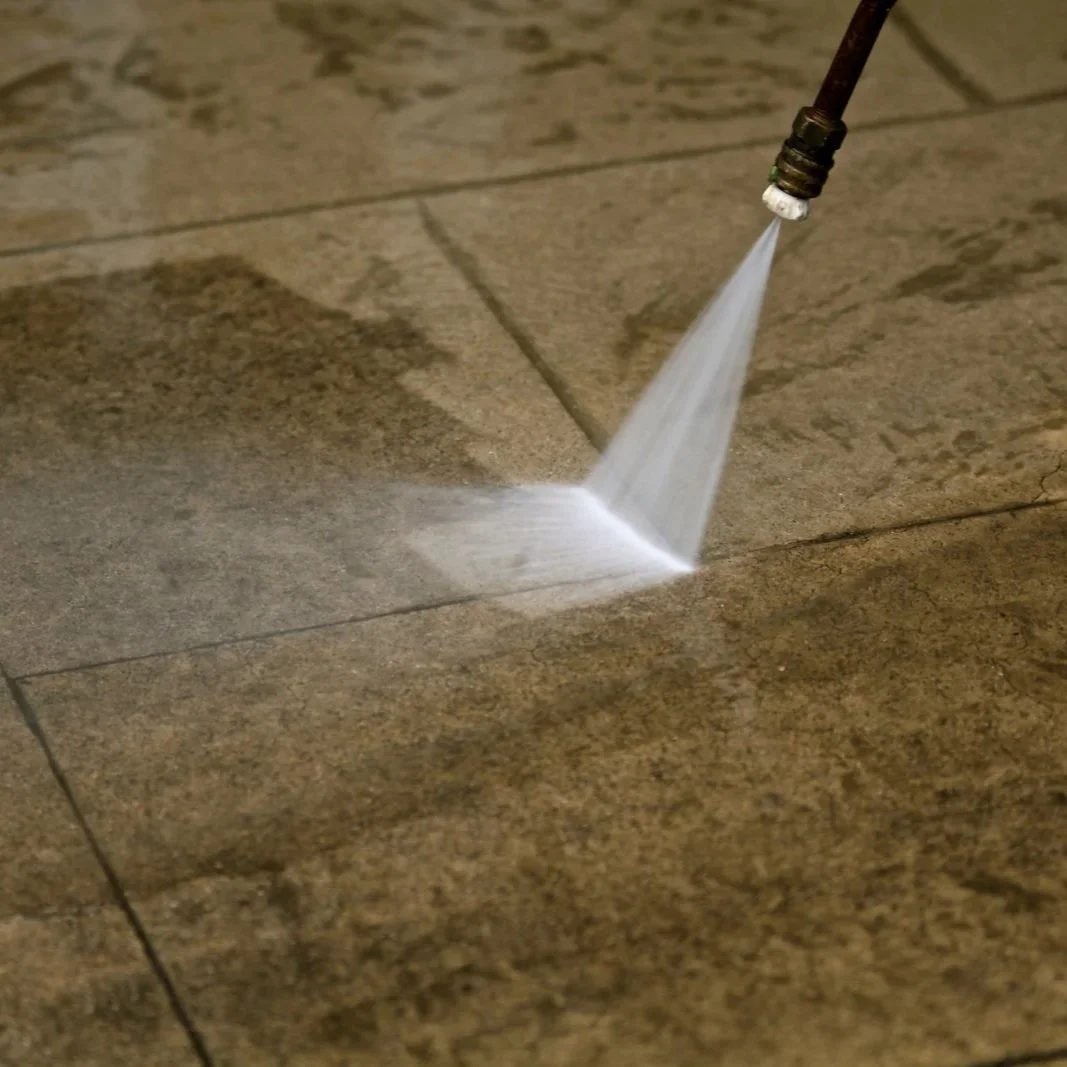
Power washing removes these invisible barriers, creating a surface that supports long-lasting results rather than temporary improvement.
Power washing often feels like an optional step rather than a critical part of a painting project, yet surface cleanliness directly affects how paint bonds and performs over time. In Reno, NV, exterior surfaces accumulate dust, pollen, chalking residue, and airborne debris that cling stubbornly due to the dry climate and frequent wind. Paint applied over these contaminants tends to peel prematurely, resulting in uneven texture and a shortened lifespan. Professional painting services treat power washing as a foundational step rather than a cosmetic extra, because paint can only perform as well as the surface beneath it allows.
Many homeowners focus on color selection and paint quality while underestimating the amount of buildup on siding, trim, and masonry. Even surfaces that look clean to the naked eye often carry a fine layer of residue that interferes with adhesion. Power washing removes these invisible barriers, creating a surface that supports long-lasting results rather than temporary improvement.
How Reno’s Climate Creates Unique Surface Buildup
Reno’s high desert environment contributes to surface conditions that differ from more humid regions. Dry air allows dust and fine particles to remain airborne longer, eventually settling onto exterior surfaces. Wind compounds the issue by constantly redepositing debris on siding, stucco, and trim. Over time, these layers form a gritty film that paint cannot penetrate effectively.
Professional painting services understand how Reno’s climate influences surface preparation. Power washing addresses not only visible dirt but also chalking from old paint, salt residue from winter treatments, and organic growth that may develop in shaded areas. Removing this buildup creates a stable foundation that supports even paint coverage and consistent curing.
Why Power Washing Supports Paint Adhesion
Paint bonds to surfaces mechanically and chemically, which means it needs direct contact with the substrate. Dirt, mildew, and loose paint prevent that contact from occurring uniformly. Power washing clears these obstacles, allowing primers and topcoats to grip properly.
Professional painters rely on power washing to reveal the true condition of surfaces. Once contaminants wash away, areas requiring repair become visible. Addressing these issues before painting prevents hidden failures that surface months later. Proper power washing contributes directly to stronger adhesion and longer-lasting finishes.
When Power Washing Is Especially Important Before Painting
Power washing becomes essential before painting when surfaces show signs of chalking, discoloration, or uneven texture. Homes with older paint often develop a powdery residue that transfers to hands when touched. Painting over chalking traps the residue beneath new coatings, causing early failure.
Professional painting services also recommend power washing for homes located near busy roads or open terrain where dust accumulates heavily. In Reno, NV, properties exposed to wind corridors or construction activity benefit significantly from thorough cleaning. Power washing levels the playing field, giving paint a clean slate.
The Role Of Power Washing In Exterior Trim And Detail Work
Trim, fascia, and other architectural details often collect more debris than flat wall surfaces due to their shape and position. Horizontal ledges trap dust and moisture, while vertical trim near the ground accumulates splashback from rain and irrigation. Painting these areas without power washing leaves contaminants in place.
Professional painters treat trim and detail work with the same preparation standards as large surfaces. Power washing clears tight corners and edges where hand cleaning falls short. Clean trim supports crisp lines and smooth finishes that elevate the entire exterior.
Why Power Washing Matters For Stucco And Masonry
Stucco and masonry surfaces develop buildup that differs from siding or wood. Pores trap dust, chalking residue, and environmental pollutants that resist simple rinsing. Painting over these surfaces without power washing prevents coatings from penetrating evenly.
Professional painting services use power washing to open surface pores and remove embedded debris. This process allows primers and paints to settle properly rather than sitting on top of contaminants. In Reno’s dry climate, this step proves especially valuable for stucco homes that otherwise experience uneven paint performance.
The Connection Between Power Washing And Primer Performance
Primers rely on clean surfaces to seal and stabilize substrates effectively. Dirt and residue reduce primer penetration and compromise its ability to create a uniform base. Power washing enhances primer performance by removing barriers that interfere with absorption.
Professional painters often schedule power washing days ahead of painting to allow surfaces to dry fully. This timing supports proper primer bonding and curing. Skipping power washing frequently leads to primer failure, undermining the entire paint system.
When Power Washing Reveals Hidden Problems
One of the most valuable aspects of power washing lies in what it exposes. Peeling paint, hairline cracks, wood rot, and surface damage often hide beneath layers of dirt and residue. Once power washing removes the buildup, these issues become visible.
Professional painting services use this opportunity to address repairs before painting begins. Fixing problems early prevents paint from masking damage temporarily. Power washing acts as both preparation and inspection, helping painters deliver durable results.
Why Timing Matters After Power Washing
Power washing introduces moisture to exterior surfaces, making drying time a critical consideration before painting. In Reno, NV, dry air accelerates evaporation, yet shaded areas and porous materials may retain moisture longer. Painting too soon traps moisture beneath coatings.
Professional painters assess surface dryness carefully after power washing. They plan painting schedules that allow adequate drying without rushing the process. Proper timing prevents blistering and adhesion issues that arise when paint seals in moisture.
Situations Where Power Washing Should Be Avoided Or Modified
While power washing offers many benefits, it requires skill and judgment. Excessive pressure damages wood fibers, loosens siding, and erodes mortar joints. Using incorrect techniques causes more harm than good.
Professional painting services adjust pressure and nozzle selection based on surface type. They also avoid power washing areas with compromised materials until repairs occur. Understanding when and how to power wash protects surfaces rather than damaging them.
Power Washing And Older Homes In Reno, NV
Older homes often feature materials that require extra care during preparation. Aged wood, historic masonry, and older siding may not tolerate aggressive cleaning. Power washing still plays a role, but demands controlled techniques.
Professional painters evaluate the material condition before power washing older properties. Gentle cleaning methods remove contaminants without compromising integrity. Thoughtful preparation respects the character of older homes while supporting paint performance.
How Power Washing Improves Exterior Appearance Even Before Painting
Power washing often produces noticeable visual improvement on its own. Removing years of grime brightens surfaces and restores original color depth. This immediate change helps homeowners see potential outcomes before paint application.
Professional painting services use power washing to reset surfaces visually and structurally. Clean exteriors provide a clearer picture of how new paint will look. This clarity supports confident color decisions and realistic expectations.
Why Skipping Power Washing Leads To Shorter Paint Lifespans
Paint applied over dirty or chalky surfaces ages faster than paint applied over clean substrates. Adhesion failures begin early, even if visible signs appear later. Skipping power washing often cuts years off paint lifespan.
Professional painters emphasize preparation because it protects the homeowner's investment. Power washing extends repaint cycles by allowing coatings to perform as designed. Over time, this preparation step reduces maintenance frequency and cost.
Power Washing And Environmental Considerations
Modern power washing practices account for environmental responsibility. Professional services manage water use and runoff to minimize impact. Controlled techniques clean effectively without unnecessary waste.
In Reno, NV, where water conservation matters, professional painters use efficient methods that balance preparation needs with environmental awareness. Responsible power washing supports both paint performance and sustainability goals.
Why Power Washing Works Best As Part Of A Complete Painting Plan
Power washing delivers the greatest value when integrated into a comprehensive painting strategy. Preparation, repair, priming, and painting work together rather than independently. Treating power washing as an isolated task limits its effectiveness.
Professional painting services coordinate each step to support the next. Power washing sets the stage for repairs and coatings that follow. This integration creates results that last and look consistent.
How Power Washing Influences Paint Curing And Finish Quality
Clean surfaces allow paint to cure evenly rather than struggling to bond through contaminants. Even curing supports uniform sheen and color depth. Uneven curing often traces back to preparation shortcuts.
Professional painters rely on power washing to create predictable curing conditions. Clean substrates reduce variables that interfere with finish quality. This control supports smoother, more consistent results across surfaces.
Why Power Washing Helps Exterior Paint Resist Reno’s Sun
Reno’s strong sunlight challenges paint durability through UV exposure. Paint that bonds poorly breaks down faster under sun stress. Power washing supports stronger adhesion that resists UV damage more effectively.
Professional painting services view power washing as a defense against environmental stress. Clean surfaces allow coatings to form robust films that withstand sun exposure. This preparation step contributes directly to longevity.
Common Misconceptions About Power Washing Before Painting
Some homeowners believe power washing only improves appearance rather than performance. Others worry it damages surfaces or proves unnecessary in dry climates. These misconceptions lead to skipped preparation.
Professional painters clarify that power washing, when done correctly, protects surfaces and enhances paint performance. Understanding its role helps homeowners make informed decisions rather than relying on assumptions.
Why Professional Power Washing Outperforms Basic Cleaning
Professional power washing differs from simple hose rinsing or surface wiping. Equipment, technique, and experience determine effectiveness. Improper cleaning leaves residue behind that interferes with paint adhesion.
Professional painting services use calibrated pressure and specialized nozzles to clean thoroughly without damage. This precision delivers results that support painting success. Investing in professional preparation pays dividends over time.
How Power Washing Protects Long-Term Property Value
Exterior condition influences property value and buyer perception. Paint that fails early signals poor maintenance regardless of color quality. Power washing helps durable paint maintain its appearance.
Professional painting services help homeowners protect their investment by ensuring proper preparation. Power washing contributes to consistent, long-lasting results that reflect care and quality. This attention supports stronger curb appeal.
Why Power Washing Should Be A Conversation, Not An Assumption
Every property presents unique conditions that affect preparation needs. Assuming power washing always applies or never applies oversimplifies the process. Professional evaluation determines when power washing makes sense.
Professional painters discuss surface condition, material type, and exposure before recommending power washing. This tailored approach delivers better outcomes than one-size-fits-all decisions.
Key FAQs About Power Washing Before Painting In Reno, NV
When should power washing be done before painting in Reno, NV?
Power washing should be done before painting when exterior surfaces show dirt, chalking, residue, or buildup that interferes with paint adhesion. In Reno, NV, wind-driven dust and seasonal debris often create a film that must be removed to ensure coatings bond properly.
Does Reno’s dry climate reduce the need for power washing?
Reno’s dry climate often increases the need for power washing because dust and airborne debris accumulate heavily on exterior surfaces. Even without heavy humidity, buildup can prevent primer and paint from adhering evenly to siding and trim.
Can painting be done immediately after power washing?
Painting should wait until surfaces dry fully after power washing to avoid trapping moisture beneath paint coatings. Proper drying time depends on temperature, sun exposure, and surface material, and rushing this step can shorten the life of the finish.
Is power washing safe for all exterior surfaces?
Power washing is safe when pressure levels and techniques are adjusted for the specific surface type. Professional methods prevent damage to wood, stucco, siding, and older materials while still removing contaminants effectively.
Does power washing help paint last longer?
Power washing helps paint last longer by improving adhesion, supporting even curing, and removing contaminants that cause early failure. Clean surfaces allow primer and paint to anchor securely, resulting in a more durable and consistent exterior finish.
True Coat Painting has several years of experience providing power washing, deck staining, and commercial painting solutions. A family-owned company serving Reno, NV, we choose every product considering the local climate. Call today to get a free estimate.
