
Why Does Exterior Paint Fade So Fast in Northern Nevada?
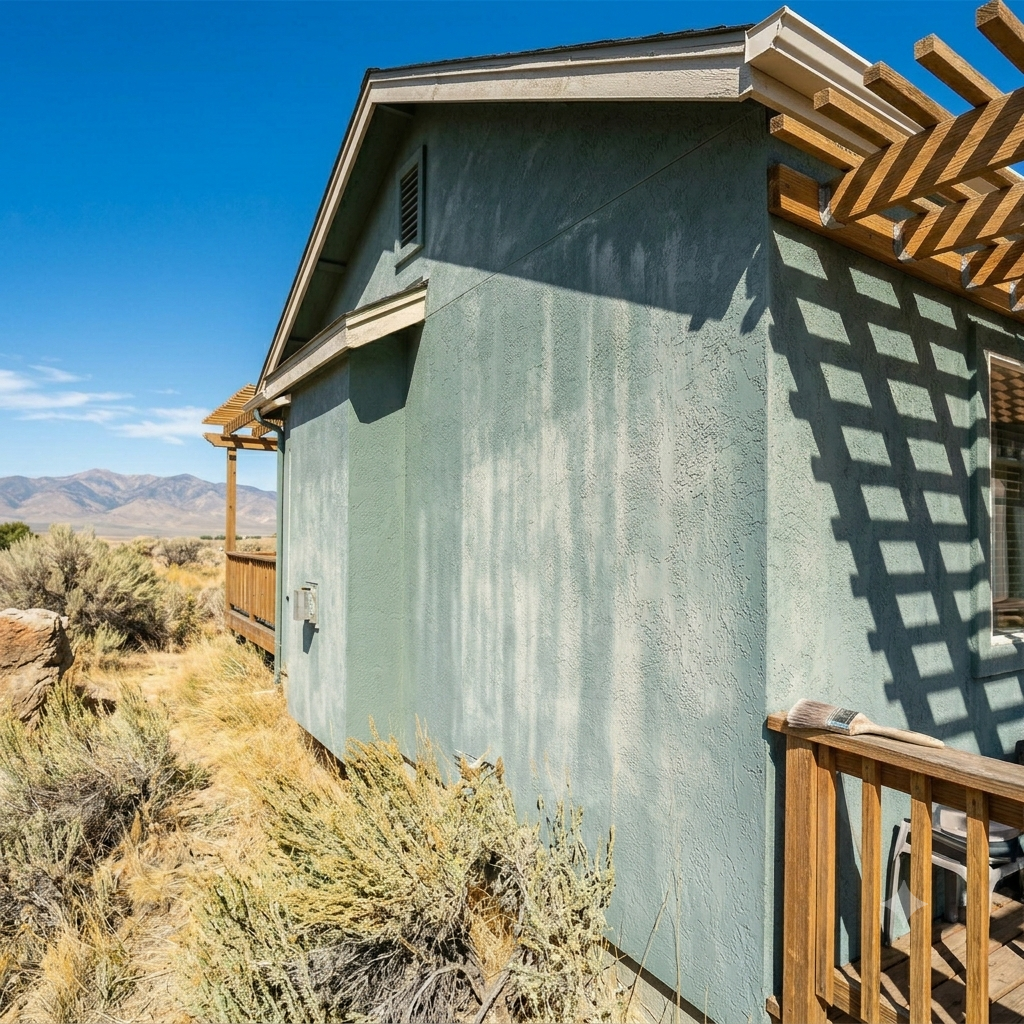
Quick Answer: Exterior paint fades fast in Northern Nevada because of intense ultraviolet (UV) radiation. The high-desert climate brings abundant sun, and the higher elevation means thinner air that filters out less UV, so paint receives more intense UV exposure than in many other places. UV light breaks down the pigments and binders in paint, causing the color to fade and the surface to degrade over time. The dry climate and temperature swings add stress too. To slow it: use high-quality, UV-resistant exterior paint, choose colors and finishes suited to intense sun, ensure proper surface preparation, and plan to repaint on a reasonable schedule. In this climate, fading is faster, so quality paint and proper application matter even more.
If your home's exterior paint in Northern Nevada has faded faster than you expected, you're not imagining it. The high-desert climate here is genuinely tough on paint, and the main culprit is the intense sun. Understanding why paint fades so quickly in this region helps you slow it down with the right choices. Here's what's happening to your paint and what you can do about it.
The Main Cause: Intense UV
The primary reason exterior paint fades is ultraviolet (UV) radiation in sunlight, and Northern Nevada delivers a lot of it. UV light breaks down the pigments that give paint its color and the binders that hold the paint together. As UV works on the surface day after day, the color degrades and fades, and the paint deteriorates. This is the same process that fades many materials in the sun — but here, the intensity is the issue. The high-desert climate means abundant, strong sunshine, so paint gets heavy, sustained UV exposure that breaks it down faster than in cloudier or milder regions. The more intense the UV, the faster the fading, which is exactly the situation in this region.
Why Elevation Makes It Worse
A factor people often overlook is elevation. Northern Nevada sits at a relatively high elevation, and a higher elevation means thinner air. Thinner atmosphere filters out less UV radiation, so more intense UV reaches the ground — and your home's exterior. This is why paint (and skin, and many materials) can be exposed to stronger UV at higher elevations than at sea level. Combined with the abundant high-desert sunshine, the elevation amplifies the UV exposure, which is a big part of why paint fades so quickly here. So it's not just lots of sun; it's lots of sun with less atmospheric protection, hitting your paint with extra intensity.
| Factor | Effect on paint |
|---|---|
| Intense UV (abundant sun) | Breaks down pigments and binders; fades |
| High elevation | Thinner air, less UV filtered, stronger UV |
| Dry climate | Adds stress to the paint |
| Temperature swings | Expansion/contraction stresses paint |
| Lower-quality paint | Fades and degrades faster |
The Dry Climate and Temperature Swings
Beyond UV, the high-desert climate adds other stresses. The dry air and significant temperature swings — hot days and cooler nights, and seasonal extremes — cause the paint and the surface beneath it to expand and contract, which stresses the paint over time and can contribute to wear and fading. While UV is the primary driver of color fading, these climate factors add to the overall toll on a paint job in this region. So a paint job here faces a combination of intense UV plus dry, swinging conditions, all working to break it down faster than a milder climate would. This is the environment your exterior paint has to withstand.
How to Slow the Fading
You can't change the high-desert sun, but several choices meaningfully slow how fast paint fades. The most important thing is using high-quality, UV-resistant exterior paint. Quality paints made with durable, UV-resistant pigments and binders hold their color and resist degradation far better than cheaper paints, which is especially valuable in areas with intense UV exposure. Choosing colors and finishes suited to strong sun also helps — some colors and finishes hold up better than others under intense UV. Proper surface preparation and application ensure the paint adheres well and performs as intended, extending its life. And planning to repaint on a reasonable schedule keeps the exterior protected and looking good. In a high-UV climate, these steps make a real difference in how long a paint job lasts before fading.
When repainting in Northern Nevada, invest in high-quality, UV-resistant exterior paint rather than the cheapest option. The intense high-desert UV punishes low-quality paint with fast fading, so a quality paint with good UV resistance — properly applied — is what actually holds its color longer in this climate. It's where the investment pays off most.
Why Quality and Proper Application Matter Most
The key takeaway is that in Northern Nevada's intense UV environment, the quality of the paint and the quality of the application matter even more than in milder climates. Because the sun here fades paint so aggressively, cheap paint or a poorly prepped job will show fading quickly, while a quality, UV-resistant paint, properly applied, resists fading much longer. Since you can't reduce the sun or the elevation, getting the paint and the prep right is your main lever for a lasting exterior. Some fading is inevitable under such intense UV over the years, so the realistic goal is to slow it and to repaint on a sensible schedule. A painting professional experienced with the high-desert climate can recommend the right paint, colors, and approach, and apply it properly, to give your exterior the best chance against the sun.
Frequently Asked Questions
Higher elevation means thinner air, which filters out less UV radiation, so more intense UV reaches your home's exterior. Northern Nevada's relatively high elevation amplifies the UV exposure on top of the abundant high-desert sunshine. This is why paint can be exposed to stronger UV at higher elevations than at sea level, and it's a big part of why paint fades so quickly in this region.
UV is the primary driver of fading, but the dry climate and significant temperature swings add stress. The dry air and hot-day, cool-night swings cause the paint and surface to expand and contract, stressing the paint and contributing to its wear over time. So while intense UV causes most of the color fading, these climate factors add to the overall toll on a paint job in this region.
Use high-quality, UV-resistant exterior paint; choose colors and finishes suited to intense sun, ensure proper surface preparation and application; and plan to repaint on a reasonable schedule. Quality UV-resistant paint holds its color far better under intense UV than cheap paint. Since you can't change the sun or elevation, the right paint and proper application are your main tools to slow fading in this climate.
Yes, significantly, especially here. Quality paints made with durable, UV-resistant pigments and binders hold their color and resist breakdown far better than cheaper paints. In Northern Nevada's intense UV environment, a cheap paint fades quickly while a quality, UV-resistant paint properly applied lasts much longer. So in this climate, investing in quality paint and proper application is the most effective way to combat fast fading.
Some fading is inevitable under intense UV over the years — no exterior paint is fully immune to strong sun over time. But the rate varies enormously with paint quality and application. The realistic goal isn't to prevent fading entirely but to slow it significantly with quality UV-resistant paint and proper application, and to repaint on a sensible schedule. Quality choices make a big difference in how long the color lasts.
Intense Sun Demands Quality Paint
Exterior paint fades fast in Northern Nevada because of intense UV — abundant high-desert sun amplified by the higher elevations’ thinner air, plus the stress of a dry, swinging climate. UV breaks down the paint's pigments and binders, so color fades quickly. You can't change the sun, but you can fight it with high-quality, UV-resistant paint, sun-suited colors, proper application, and a sensible repainting schedule. In this climate, quality paint and proper prep are what keep your exterior looking good the longest.
Exterior paint fading fast in the high-desert sun? — Get it repainted with quality, UV-resistant paint suited to the climate. True Coat Painting serves Reno, Sparks, Spanish Springs. Call (775) 227-0618.
