
Why Fascia Painting Gets Overlooked on Reno, NV, Homes
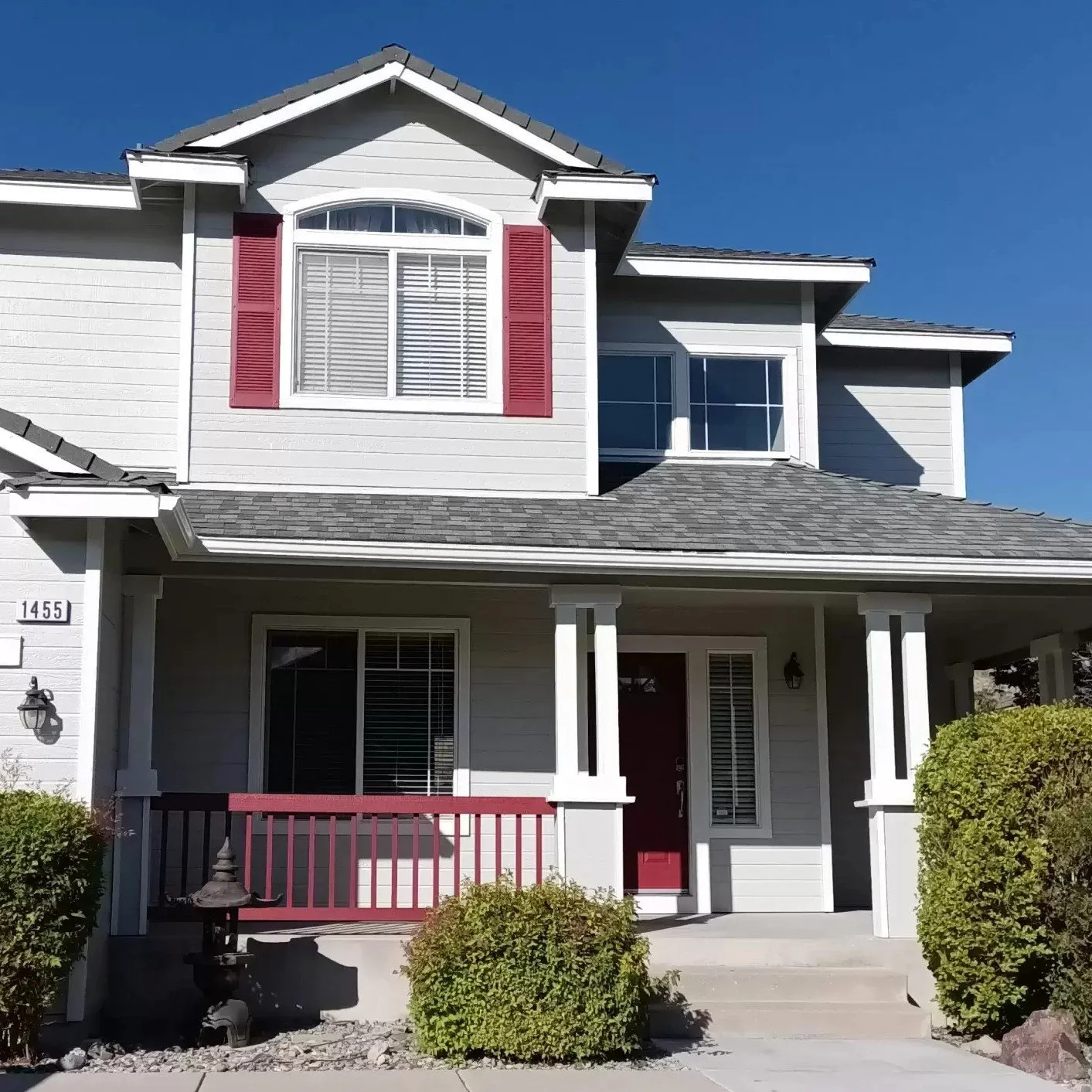
Fascia boards play a critical role in protecting a home, yet they rarely receive the attention given to siding, trim, or front doors.
Fascia boards play a critical role in protecting a home, yet they rarely receive the attention given to siding, trim, or front doors. Positioned along the roofline, fascia supports gutters, shields roof edges, and blocks moisture from reaching vulnerable structural components. In Reno, NV, where intense sun exposure, dry air, and sudden seasonal shifts place constant stress on exterior materials, fascia absorbs more wear than many homeowners expect. Exterior painting projects often focus on visible walls and accents, while fascia remains an afterthought despite its functional importance.
Professional exterior painters frequently encounter fascia that has suffered years of neglect simply because it sits just outside normal sightlines. When fascia paint fails, moisture intrusion, wood deterioration, and gutter instability often follow. Trim, fascia, and soffit painting requires a specialized approach that accounts for exposure, positioning, and long-term performance, especially in Reno’s demanding climate.
Why Fascia Paint Failure Often Goes Unnoticed Until Damage Appears
Fascia boards rarely command attention because damage develops gradually and often goes unnoticed. Homeowners may notice peeling siding or faded trim long before they ever look up at the roofline. By the time fascia paint failure becomes visible from the ground, underlying materials may already show signs of deterioration. This delayed visibility contributes to the widespread assumption that fascia does not require the same level of care as other exterior surfaces.
Exterior painting professionals understand that fascia are constantly exposed to UV radiation, reflected heat, and moisture from gutters. Paint failure in these areas accelerates structural wear rather than remaining cosmetic. Addressing fascia during trim, fascia, and soffit painting projects prevents hidden damage that often costs far more to repair later.
The Role Fascia Plays In Moisture Control Around The Roofline
Fascia acts as a barrier between the roof edge and the exterior wall system, directing water safely into gutters and away from structural framing. When paint deteriorates, fascia boards absorb moisture rather than repelling it. Even in Reno, NV’s dry climate, snowmelt, rain, and irrigation runoff repeatedly stress this area throughout the year.
Professional exterior painters treat fascia as a critical moisture defense component rather than decorative trim. Proper preparation and coating selection protect fascia from swelling, cracking, and softening. Trim, fascia, and soffit painting that prioritizes moisture resistance helps preserve roof edges and gutter systems over time.
Why Gutters Make Fascia More Vulnerable Than Other Trim
Gutters rely on fascia for support, which creates constant contact points where moisture and debris accumulate. Leaves, dust, and standing water often collect along gutter edges, keeping fascia damp longer than surrounding trim. Paint in these areas breaks down faster, especially when maintenance falls behind.
Exterior painting services address this exposure by using coatings designed to withstand prolonged exposure to moisture and temperature fluctuations. Ignoring fascia during exterior projects leaves these vulnerable zones unprotected, leading to accelerated wear that undermines both fascia and gutter performance.
Sun Exposure Intensifies Fascia Wear In Reno, NV
Reno’s high elevation and abundant sunshine intensify UV exposure across rooflines. Fascia boards receive direct sunlight for extended periods, especially on south and west-facing elevations. This exposure degrades paint films more quickly than shaded surfaces, causing chalking, cracking, and fading.
Professional painters factor sun exposure into trim, fascia, and soffit painting strategies. Using products with strong UV resistance and applying them under appropriate conditions supports longer-lasting protection. Without this consideration, fascia paint often fails well before siding or trim, creating uneven aging across the exterior.
Why Fascia Is Often Skipped During Exterior Painting Projects
Many exterior painting projects prioritize areas homeowners see daily, such as walls, doors, and window trim. Fascia feels secondary because it sits above eye level and is rarely inspected closely. Time constraints and budget considerations also encourage skipping fascia to reduce scope.
Professional exterior painting services advocate for comprehensive coverage because partial projects often result in mismatched aging and performance. Skipping fascia often leads to early failure that requires separate repair work later. Addressing fascia during the initial project typically saves money and protects the home more effectively.
Fascia Preparation Requires More Precision Than Homeowners Expect
Fascia boards often show subtle signs of deterioration that require careful preparation before painting. Old paint layers may be brittle, wood grain may lift, and moisture damage may hide beneath intact surfaces. Surface preparation in these areas demands attention to detail.
Professional painters inspect fascia closely and perform necessary repairs before applying coatings. Proper sanding, priming, and sealing support paint adhesion and flexibility. Trim, fascia, and soffit painting performed without thorough preparation often leads to peeling within a short time.
The Connection Between Fascia Paint And Roof Edge Longevity
Roof edges rely on fascia to remain sealed and stable. When fascia paint fails, exposed wood allows moisture to migrate toward the roof decking and rafter tails. Over time, this moisture compromises roofing components and creates conditions for rot.
Exterior painting professionals treat fascia painting as part of the overall roof edge protection. High-quality coatings and correct application techniques reduce moisture penetration and thermal stress. Protecting fascia extends the lifespan of both roofing and structural elements.
Why Fascia Color Choices Matter More Than Most Realize
Fascia color selection affects more than appearance. Dark colors absorb more heat, increasing the stress on boards from expansion and contraction. Lighter colors reflect sunlight and help moderate surface temperatures, particularly important in Reno’s climate.
Professional exterior painters guide homeowners toward fascia colors that balance aesthetics with performance. Coordinating fascia with trim while considering sun exposure improves durability. Thoughtful color selection supports longer-lasting results without sacrificing curb appeal.
How Neglected Fascia Affects Overall Exterior Appearance
Even when siding and trim appear well-maintained, neglected fascia subtly detracts from a home’s appearance. Peeling paint, discoloration, or warped boards disrupt clean rooflines and create a sense of unfinished upkeep. Buyers and inspectors often notice these details even if homeowners overlook them.
Exterior painting services emphasize fascia because it frames the roofline and defines the transition between the roof and the walls. Trim, fascia, and soffit painting completed consistently across all elements elevates the overall exterior presentation.
Why Fascia Problems Often Appear After New Paint Projects
Homeowners sometimes notice fascia issues shortly after completing exterior painting elsewhere on the home. Freshly painted walls and trim draw attention upward, making previously unnoticed fascia deterioration more obvious. This contrast highlights the cost of leaving fascia untreated.
Professional painters recommend addressing fascia concurrently to avoid uneven aging and repeated setup costs. Comprehensive projects reduce visual inconsistency and support uniform performance across all exterior components.
How Reno’s Seasonal Changes Stress Fascia Boards
Reno experiences significant temperature swings, which put strain on fascia materials. Expansion during hot summer days, followed by contraction during cool nights, challenges paint's flexibility. Winter snow and ice introduce moisture that tests paint adhesion.
Professional exterior painters select coatings designed to handle these conditions. Proper application allows paint to flex with material movement rather than cracking. Trim, fascia, and soffit painting tailored to local conditions reduces failure risk.
The Link Between Fascia Maintenance And Long-Term Cost Control
Neglecting fascia often leads to costly repairs that extend beyond repainting. Rotting boards require replacement, gutter systems may loosen, and roof edges may need repair. These expenses far exceed the cost of routine fascia painting.
Professional exterior painting services focus on preventative care. Regular fascia maintenance protects surrounding components and stabilizes long-term costs. Addressing fascia early prevents cascading issues that impact the entire exterior system.
Why Fascia Painting Requires Professional Experience
Fascia painting involves working at heights, managing awkward angles, and applying coatings in areas exposed to harsh conditions. Improper technique often results in uneven coverage and premature failure. These challenges make fascia painting unsuitable for shortcuts.
Professional painters bring specialized equipment, safety practices, and product knowledge to fascia projects. Experience allows them to achieve consistent coverage and proper curing. Trim, fascia, and soffit painting handled professionally delivers results that last.
How Comprehensive Exterior Painting Protects Home Value
Exterior condition plays a major role in property value and buyer perception. Well-maintained fascia signals attention to detail and overall care. Neglected fascia suggests deferred maintenance even when other surfaces appear updated.
Exterior painting services that include fascia support stronger curb appeal and inspection outcomes. Protecting roofline elements preserves both appearance and structural integrity. This comprehensive approach safeguards home value over time.
Why Fascia Continues To Be Overlooked Despite Its Importance
Fascia remains overlooked because its role operates quietly until failure occurs. Homeowners rarely interact with fascia directly, making it easy to forget during planning. Unfortunately, silence often masks damage rather than indicating health.
Professional exterior painters consistently highlight fascia during project consultations. Education helps homeowners understand how trim, fascia, and soffit painting contribute to overall durability. Awareness reduces costly oversights.
Important FAQs About Fascia Painting In Reno, NV
Why does fascia painting matter in Reno, NV homes?
Fascia painting matters in Reno, NV, because fascia boards protect roof edges, support gutters, and withstand intense sun exposure that accelerates paint breakdown. Properly maintained fascia helps prevent moisture intrusion and preserves the structural integrity along the roofline.
How often should fascia be painted in Reno, NV?
Fascia painting timelines vary depending on sun exposure, material type, and overall exterior condition. Regular inspection and repainting during larger exterior projects help prevent moisture damage, peeling paint, and gradual wood deterioration over time.
Can fascia damage affect gutters and roofing?
Fascia damage can directly affect gutters and roofing because weakened boards compromise gutter attachment points. When fascia softens or rots, gutters may pull away from the home, allowing water to collect near roof edges and increase the risk of leaks.
Is fascia included in standard exterior painting projects?
Fascia is sometimes excluded unless clearly specified in the project scope. Professional exterior painters often recommend including fascia as part of trim, fascia, and soffit painting to ensure the entire roofline receives consistent protection and appearance updates.
Does fascia painting improve home value?
Fascia painting improves home value by maintaining clean rooflines, preventing structural damage, and signaling proper exterior maintenance. Well-kept fascia enhances curb appeal and reassures potential buyers that the property has been responsibly cared for.
True Coat Painting offers professional residential painting solutions to Reno, NV, homeowners. Count on us for residential house painting, interior house painting, and exterior house painting services. We follow industry standards and complete every job with precision. Call today to schedule a consultation.
