
Why Paint Peels: The One Cause Behind Almost Every Failure
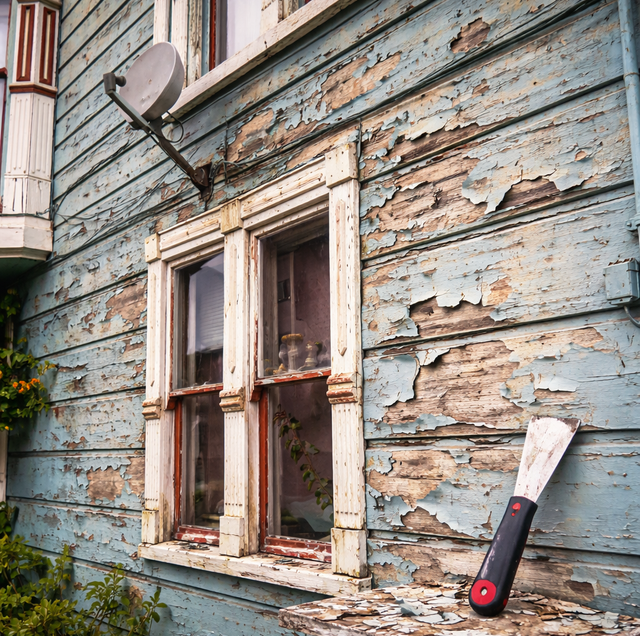
Quick Answer: Paint peels when it loses its grip on the surface underneath. The bond fails for one of two reasons almost every time: moisture pushing up from behind the film, or a surface that was never cleaned, dulled, or primed well enough for paint to hold. Fix the moisture source, prep the surface properly, and a coat will stay put.
A fresh coat of paint looks like one solid layer, but it is really a thin plastic film gripping whatever is beneath it. That grip is the whole game. When paint peels, curls, or flakes away in sheets, the film has stopped holding on. The color and the sheen were never the problem. The bond was.
Adhesion And Moisture: The Two Ideas Behind Every Peel
Before naming causes, it helps to understand the two forces that decide whether paint stays or goes.
The first is adhesion, the mechanical and chemical grip between the paint film and the surface below it. Paint holds best on a surface that is clean, dry, slightly rough, and either bare-primed or coated with something compatible. Take away any one of those conditions and the grip weakens. A glossy, dusty, or greasy surface gives the film almost nothing to bite into, so it lifts at the first stress.
The second is moisture, and it is the quiet destroyer behind most peeling. Water that reaches the back of a paint film, from a leak, from humid indoor air, or from damp material that was painted before it dried, pushes outward as it tries to escape. That pressure breaks the bond from behind, and the paint releases in patches or long strips. You can prep a surface perfectly and still lose the coat if water keeps arriving underneath it.
Almost every peeling job traces back to one of these two: the bond was weak from the start, or moisture arrived later and broke a bond that was fine. Keep both in mind as we walk through the specific causes.
What Actually Causes Paint To Peel
Moisture trapped behind the film: This is the leading cause outdoors and in wet rooms. A roof or plumbing leak, a failed exterior seal, rising damp in masonry, or bathroom and kitchen humidity with no exhaust all feed water to the back of the paint. Interior walls that back onto an unheated space can also collect condensation. Wherever water gets behind the film and cannot dry out, the paint eventually lets go.
Painting over a dirty, glossy, chalky, or damp surface: Paint needs tooth to grip. A wall coated in kitchen grease, dust, or hand oils repels the new film. A high-gloss or semi-gloss surface is too slick for a fresh coat to bite unless it is dulled first. Older exterior paint often turns chalky, leaving a powdery residue that acts like a dry lubricant between old and new coats. And a surface still damp from washing or weather traps that moisture the moment you seal it in.
Skipping primer on bare wood, drywall, or patched spots: Bare and porous surfaces drink up the binder in finish paint unevenly, which starves the film and weakens its grip. Bare wood, new drywall, joint-compound patches, and stained areas all need primer first. Primer is the layer built to soak in and bond to raw material, giving the finish coat a stable, uniform base to hold onto. Paint the finish straight onto bare material, and you have skipped the layer that does the actual gripping.
Incompatible coatings and too many layers: A flexible latex paint brushed directly over old, hard oil-based paint has very little to hold, because the glossy oil surface was never dulled or primed for it. That mismatch is a classic peeler. So is paint piled on too thick over many repaints: each layer adds weight and internal stress, and the oldest, most brittle coat at the bottom eventually cracks and drags the stack off with it.
Heat, sunlight, and simple age: Ultraviolet light breaks down the binders that hold a film together, and repeated warming and cooling makes the film expand and contract against a surface that moves at a different rate. Over years, that flexing fatigues the bond. Heat and UV do this on sun-facing walls, while shaded and interior surfaces age more slowly but still stiffen and lose flexibility with time. No coating lasts forever, and an old film that has gone brittle will crack and peel from ordinary movement.
Salt and efflorescence on masonry: Brick, block, stucco, and concrete hold moisture, and as that moisture migrates out, it carries dissolved salts to the surface. Those salts crystallize under or within the paint film as a white, crusty bloom called efflorescence, and the growing crystals physically pry the coating off. Paint a masonry wall that is still pushing moisture and salt outward, and the film is fighting a losing battle.
Think of the paint film as tape stretched across a wall: it holds only as long as the wall behind it stays dry and the surface was clean when the tape went down. Wet the back of that tape, or press it onto dust, and it peels away in a sheet no matter how good the tape is. The paint is rarely the weak link. The conditions underneath it are.
How To Prevent Paint From Peeling
Prevention is mostly about controlling those same two forces before the brush ever touches the wall.
Fix the moisture source first: Chase down and repair any leak, failed seal, or damp problem before painting. A persistent water source, a roof leak, a plumbing drip, or a missing vapor barrier will defeat even a flawless paint job, so it has to be solved first, not painted over. In wet rooms, make sure exhaust fans actually vent outdoors and run long enough to clear humidity.
Clean and dull the surface: Wash off grease, dust, and chalk so the new film meets bare, sound material. On exteriors, rinse away chalky residue until the surface no longer powders when you rub it. Scuff-sand glossy and semi-gloss surfaces so the sheen is knocked down and the paint has tooth to grip.
Scrape and feather loose paint: Remove everything that is already lifting, then sand the edges of the sound paint so the transition to bare surface is smooth rather than a hard ridge. Feathering keeps the new coat from telegraphing every old edge and gives it a continuous surface to bond across.
Prime the raw and repaired spots: Spot-prime bare wood, new drywall, patches, and any water or tannin stains before the finish coat. Use a stain-blocking primer over discoloration so it does not bleed through. Priming turns a patchwork of different surfaces into one uniform, paint-ready base.
Use the right paint and let surfaces dry: Match the coating to the job- an exterior-grade product outside, a moisture-tolerant finish in baths and kitchens- and confirm the surface is fully dry before coating. New masonry, fresh patches, and recently washed walls all need time to release their moisture first. Ventilate wet rooms so humidity does not sit against the fresh film while it cures.
How To Fix Paint That Is Already Peeling
Repainting over a peel without addressing the cause just buys a few months. The repair sequence mirrors the causes in reverse.
Find and fix the moisture cause: Before touching the paint, figure out why it failed. Look for the leak, the missing exhaust fan, the damp masonry, the surface that was painted wet. If water is still arriving, stop it first.
Scrape, sand, and feather: Remove all loose and lifting paint back to a sound edge, then sand those edges smooth so the repair blends. On masonry with efflorescence, brush off the salt crust and let the wall dry before you go further.
Prime the exposed areas: Every bare or stained spot the scraping opened up needs primer before repainting, for the same reason bare surfaces need it the first time. Prime patches and stains so the finish coat has a uniform, sealed base.
Repaint with a compatible finish: Apply a finish coat suited to the surface and the conditions, and give each coat time to cure. Done in this order, the repair fixes the reason the paint failed instead of hiding it.
Paint in a home built before 1978 may contain lead, and scraping or sanding it releases hazardous dust. Test suspect paint first, and use lead-safe work practices or a licensed abatement professional rather than sanding it dry. Work from a stable ladder and never overreach at height, and keep any space where you use solvent-based primers or paints well ventilated so fumes do not build up.
Frequently Asked Questions
Blistering is often the stage right before peeling. A blister is a small dome where the film has lifted off the surface but has not torn yet, usually from moisture underneath or from paint applied in direct heat that skinned over before the layer below could dry. Left alone, blisters break open and become peeling. If the inside of a popped blister shows bare surface, the cause was moisture or a heat-related bond failure rather than a bad topcoat.
Spot-scraping only the flakes that fall off on their own leaves behind paint whose bond is already compromised, and the new coat will lift with it within a season. Test the surrounding area by pressing painter's tape firmly onto the old paint and pulling it off fast. If paint comes away on the tape, the bond in that zone is failing too and needs to come off before you repaint. The goal is to reach paint that is still firmly stuck.
Those spots concentrate the two failure causes. Window frames and sills catch condensation and rain, so moisture reaches the film more often there. Baseboards and trim are usually the glossiest surfaces in a room, coated in enamel that a new film struggles to grip unless it was scuff-sanded first. The open field of a wall is drier and flatter, so it fails less. Peeling that clusters at trim and openings is a signal to check for both water and a slick, unsanded surface.
The primer has to match the problem. A water-based primer works for general bare drywall and previously painted surfaces, but a shellac-based or oil-based stain-blocking primer is what stops water stains, smoke, tannin from cedar and redwood, and marker or crayon from bleeding through the finish. Masonry needs a masonry-rated primer that tolerates alkalinity. Using a plain wall primer over an active stain lets the discoloration ghost back through and can undermine the coat.
It depends on the material, not the clock alone. Fresh drywall mud should be fully dry and no longer cool to the touch. New masonry and stucco need weeks to cure and release their moisture and alkalinity before coating, and painting them too soon invites efflorescence and peeling. A moisture meter reading below the paint manufacturer's stated threshold is the reliable check on wood and masonry. When in doubt, wait longer, since trapped moisture is the single most common reason a fresh coat fails.
Better paint helps with fade, coverage, and how long a sound coat lasts, but it cannot bond to a surface that is dirty, glossy, damp, or fed by a leak. A premium film applied over the wrong conditions peels just like a cheap one, because the failure is in the surface and the moisture, not the can. Quality paint pays off only after the prep and the moisture problems are solved. Prep decides whether the coat holds; paint quality decides how well it holds up once it does.
Book a free estimate before you repaint a peeling surface — get the moisture and prep fixed right so the new coat actually lasts. True Coat Painting serves Reno, Sparks, and Carson City. Call (775) 227-0618.
