
Epoxy Floor Coating Myths That Lead to Peeling in Genoa, NV
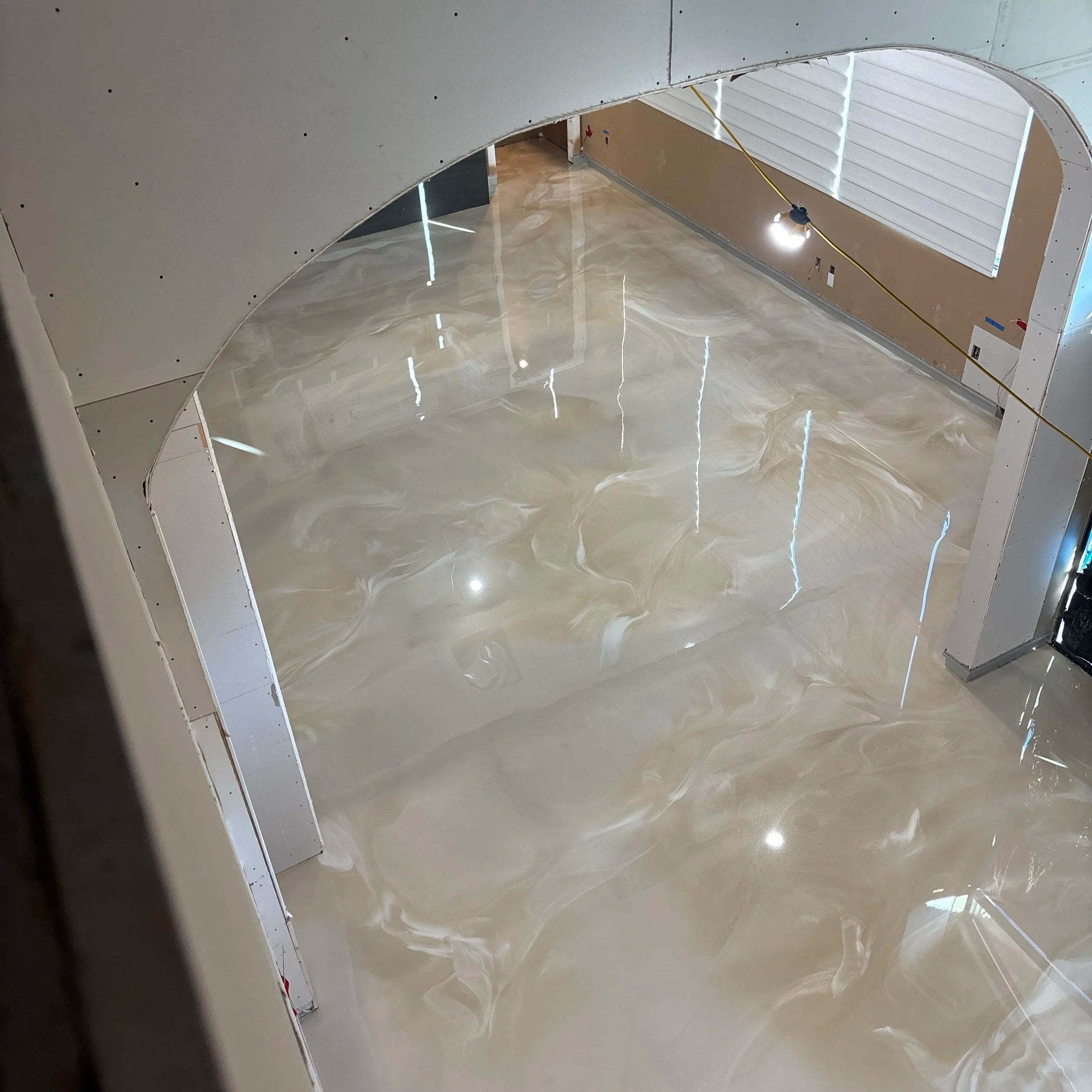
Property owners often believe peeling happens because of cheap products, when the real cause usually hides in preparation, timing, or system selection.
Genoa, NV, sits in a unique pocket where elevation, temperature shifts, moisture patterns, and soil conditions quietly influence concrete behavior. Many epoxy floor coating failures in garages, basements, workshops, and commercial spaces trace back to misconceptions rather than bad intentions. Property owners often believe peeling happens because of cheap products, when the real cause usually hides in preparation, timing, or system selection. Epoxy floor coatings perform exceptionally well in Genoa when installed correctly, but myths tend to steer projects toward shortcuts that almost guarantee peeling.
Myth That Any Clean Floor Is Ready For Epoxy
One of the most damaging beliefs is the idea that a clean surface equals a prepared surface. Sweeping, degreasing, or pressure washing removes visible dirt but leaves smooth concrete, sealed pores, and embedded contaminants untouched. Epoxy floor coatings require mechanical bonding, not just surface cleanliness. Professional services rely on grinding to open the concrete and create texture that allows coatings to lock in. In Genoa, wind-driven dust and mineral deposits settle deeply into slabs, making grinding essential even when floors look spotless.
Myth That Peeling Means The Epoxy Was Low Quality
Peeling rarely points to product quality alone. Even premium epoxy floor coatings fail when applied over poorly prepared concrete. Many Genoa floors peel because the coating never bonded properly to begin with. Professional installations focus more on surface preparation than brand names. Blaming the epoxy distracts from the real issue, which usually starts before the coating bucket ever opens.
Myth That New Concrete Does Not Need Prep
Fresh concrete feels solid and strong, which leads many property owners to skip preparation. New slabs develop a weak surface layer called laitance during curing. Epoxy floor coatings are applied over laitance, bonding to the weak layer rather than the slab beneath. Peeling often begins when that layer releases. Professional services grind new concrete to remove laitance and create a stable surface, even on recently poured floors in Genoa.
Myth That Moisture Is Not A Concern In Dry Climates
Genoa’s climate feels dry most of the year, but concrete still releases moisture vapor from below. Moisture pressure builds beneath coatings and pushes upward. Epoxy floor coatings peel when vapor has nowhere to escape. Professional services test moisture levels and select systems that tolerate local conditions. Ignoring moisture because the air feels dry leads to blistering and peeling weeks or months after installation.
Myth That Acid Etching Replaces Grinding
Acid etching once served as a prep option, but it struggles with modern concrete and older slabs. Dense finishes, previous sealers, and mineral content common in Genoa reduce acid effectiveness. Epoxy floor coatings need a consistent surface profile that acid rarely provides. Professional grinding delivers a predictable texture and removes barriers that acid leaves behind. Relying on etching often produces patchy bonding that fails unevenly.
Myth That One Epoxy Works Everywhere
Garages, basements, workshops, and commercial spaces place different demands on floors. Epoxy floor coatings vary in flexibility, cure speed, and resistance properties. Using a single system across all spaces ignores how each environment behaves. Genoa workshops may require higher impact resistance, while basements demand moisture awareness. Professional services match systems to space use rather than imposing a single solution.
Myth That Temperature Does Not Affect Installation
Temperature plays a major role in how epoxy behaves. Cold slows curing, while heat accelerates reactions. Epoxy floor coatings applied outside recommended temperature ranges struggle to bond correctly. Genoa experiences sharp temperature swings, especially during transitional seasons. Professional services monitor slab and air temperatures carefully. Installing under unsuitable conditions results in weak adhesion and eventual peeling.
Myth That Thick Coatings Prevent Failure
More material does not automatically improve performance. Overly thick epoxy floor coatings cure unevenly and trap heat or solvents beneath the surface. Thick applications also reduce flexibility, making coatings more prone to cracking and peeling under movement. Professional services apply coatings at manufacturer-specified thickness to balance strength and flexibility.
Myth That Cracks Can Be Ignored
Concrete cracks signal movement beneath the surface. Applying epoxy floor coatings over cracks without repair allows movement to continue, stressing the coating. Peeling often starts along untreated cracks. Professional services repair and stabilize cracks before coating, so the system moves with the slab rather than separating from it. Genoa soil conditions make crack awareness especially important.
Myth That Peeling Only Happens In High Traffic Areas
Peeling does not require heavy traffic to begin. Poor bonding fails even in low-use spaces like storage rooms or basements. Epoxy floor coatings peel where adhesion fails, not where traffic occurs. Genoa homeowners sometimes discover peeling in rarely used corners because prep issues existed across the entire slab.
Myth That Old Sealers Will Not Matter
Many slabs hold invisible layers of old sealers or curing compounds. Epoxy floor coatings cannot bond through these layers. Professional services grind until bare concrete appears, removing all barriers. Genoa floors often hide multiple coatings applied over decades. Skipping removal leads to peeling when layers separate under stress.
Myth That Prep Ends After Grinding
Grinding creates the right texture, but prep does not stop there. Dust removal, edge detailing, and final inspection complete the process. Epoxy floor coatings fail when fine dust remains on the surface. Professional services vacuum thoroughly and address edges and corners where grinders cannot reach easily. Peeling often starts at poorly prepped edges.
Myth That DIY Kits Deliver Comparable Results
Retail kits promise easy solutions, but they lack the materials and prep methods used professionally. Epoxy floor coatings installed without mechanical prep and moisture testing fail far more often. DIY results contribute heavily to the myth that epoxy peels easily. Professional installations differ in both process and outcome.
Myth That Peeling Happens Immediately
Many expect peeling to show up quickly if something goes wrong. Epoxy floor coatings often fail slowly. Bond issues develop beneath the surface before visible peeling appears. Genoa property owners sometimes notice peeling months after installation, long after warranties expire. Early success does not guarantee long-term performance when prep lacked depth.
Myth That Basements Are Less Risky
Basements often hold higher moisture levels due to soil contact. Epoxy floor coatings in basements peel frequently when moisture testing is skipped. Genoa basements require careful evaluation and compatible systems. Professional services treat basement floors with more caution rather than assuming lower risk.
Myth That Workshops Need Only Heavy Duty Products
Workshops demand durability, but durability alone does not prevent peeling. Epoxy floor coatings must bond properly before resisting impact and chemicals. Genoa workshops often experience peeling when prep focuses on product strength rather than adhesion. Professional services balance both factors.
Myth That Commercial Floors Are Automatically Better Prepared
Commercial settings sometimes assume higher standards by default. In reality, peeling occurs in commercial epoxy floor coatings when timelines override prep. Genoa businesses under pressure to reopen may rush installations. Professional services emphasize prep even under tight schedules to prevent costly rework.
Myth That Weather Only Matters Outdoors
Interior slabs still react to outdoor conditions. Temperature and humidity changes transfer through concrete. Epoxy floor coatings installed indoors without considering external conditions peel just as easily. Genoa’s seasonal shifts affect interior spaces more than many realize.
Myth That Once It Peels, Replacement Is The Only Option
Peeling does not always require full replacement. Professional services can evaluate damage and determine whether partial removal and reapplication work. Epoxy floor coatings often allow localized repairs when addressed early. Understanding repair options reduces unnecessary expense.
Myth That Appearance Indicates Performance
A smooth, glossy finish does not confirm proper bonding. Epoxy floor coatings can look perfect while adhesion remains weak underneath. Genoa property owners sometimes rely solely on appearance and miss early warning signs. Professional inspections evaluate performance beyond visual cues.
Myth That Grinding Depth Does Not Matter
Grinding too lightly leaves smooth areas that block bonding. Grinding too aggressively damages the slab. Epoxy floor coatings rely on precise surface profiles. Professional services adjust the grinding depth based on the slab condition rather than guessing. Improper depth leads to uneven adhesion and peeling.
Myth That All Peeling Looks The Same
Peeling patterns reveal underlying causes. Edge peeling often points to poor perimeter prep. Wide sheet peeling suggests moisture or surface contamination. Epoxy floor coatings tell a story through failure patterns. Professional services read these signs to correct issues properly.
Myth That Genoa Conditions Are Easy On Floors
Genoa’s blend of elevation, temperature fluctuation, and soil movement challenges flooring systems. Epoxy floor coatings require adaptation to these conditions. Professional services tailor prep and product choice to local realities rather than generic assumptions.
Why These Myths Persist
Many myths spread from seeing failed floors without understanding why they failed. Others come from outdated methods or oversimplified advice. Epoxy floor coatings succeed when installed as systems rather than shortcuts. Education changes outcomes.
How Professional Installation Prevents Peeling
Professional services manage prep, moisture testing, timing, and system selection as one process. Epoxy floor coatings perform best when every step supports adhesion. Genoa floors that last share one thing in common: preparation receives priority over speed.
Why Prep Determines Longevity
Peeling begins where bonding fails. Epoxy floor coatings rely on surface preparation to stay attached under stress. Genoa projects that invest in prep avoid repeated repairs and frustration. Long-term performance starts before the coating gets mixed.
Why Understanding These Myths Saves Money
Correcting misconceptions prevents repeated failures. Epoxy floor coatings installed properly cost less over time than repeated patch jobs. Genoa property owners who understand the causes of peeling make better decisions and enjoy reliable floors.
FAQs
What causes epoxy floor coatings to peel in Genoa, NV?
Peeling typically results from improper surface preparation, underlying moisture issues, or applying coatings under unsuitable temperature or humidity conditions. In many cases, the problem is not the product itself but how the surface was prepared before application.
Can epoxy floor coatings peel even if the floor looks clean?
Yes, a surface can appear clean while still lacking the proper texture needed for epoxy to bond effectively. Without mechanical preparation like grinding, the coating may not adhere well and can eventually lift or peel.
Are epoxy floor coatings suitable for Genoa basements?
Epoxy coatings can perform well in Genoa, NV, basements when moisture conditions are properly evaluated and addressed. Selecting the right system and preparing the surface correctly are key factors in long-term performance below grade.
Does new concrete really need grinding before epoxy?
Yes, even new concrete benefits from grinding because it removes weak surface layers and opens the pores of the concrete. This process improves adhesion and helps ensure the epoxy coating bonds properly for long-term durability.
Can peeling epoxy floors be repaired?
In many cases, peeling epoxy can be repaired without full replacement if the issue is caught early. Professional services can remove the damaged areas, correct the underlying cause, and reapply the coating for a more durable result.
True Coat Painting offers professional residential painting solutions to Reno, NV, homeowners. Count on us for residential house painting, interior house painting, and exterior house painting services. We follow industry standards and complete every job with precision. Call today to schedule a consultation.
